REVIEW · MYKONOS
From Mykonos: Ano Mera Farm Tour
Book on GetYourGuide →Operated by Cretan Spiti · Bookable on GetYourGuide
Mykonos can feel all windmills and white buildings, so this Ano Mera Farm Tour is a breath of air, pairing a real working farm with a casual taste of local life. I like that you get both a guided walk of the property and hands-on options, and I especially like the snack table built around bread, tomatoes, kopanisti, cucumbers, and poor man’s black olives. One thing to keep in mind: it can feel a bit bare-bones for people hoping for constant animal interaction or big “farm-life” activities.
The visit starts with hotel pickup and a short drive across the island, then you’re welcomed by the farm’s superintendent, Mr. Mohamed, and settled for raki on a stone seat while you learn how the farm operates. The farm itself is lovely, and the staff come across as kind and polite, with one worker from Egypt being especially attentive. If you want specific animal handling like feeding, petting, or milking, plan to be flexible, because what you can do may depend on the day.
In This Review
- Key highlights worth your attention
- Ano Mera and the Mykonos farming angle (not just photos)
- From hotel pickup to farm gate: how the 2.5 hours flow
- Meeting Mr. Mohamed: the tour tone and what you’ll learn first
- Hands-on farming tasks: weeding, trimming, feeding, or just watching
- The snack spread and garden produce: what tastes most “Mykonos”
- What the farm time feels like (and what not to expect)
- Price and value: is $51 a fair deal for this Mykonos farm stop?
- Who should book (and who should look elsewhere)
- Tips to make this farm tour work better for you
- Should you book the Ano Mera Farm Tour?
- FAQ
- How long is the Ano Mera Farm Tour?
- Is hotel pickup and drop-off included?
- What do you do during the farm visit?
- Are snacks and raki included?
- Is there a guide and what language do they speak?
- Where is the tour located?
- What is the cancellation policy?
Key highlights worth your attention
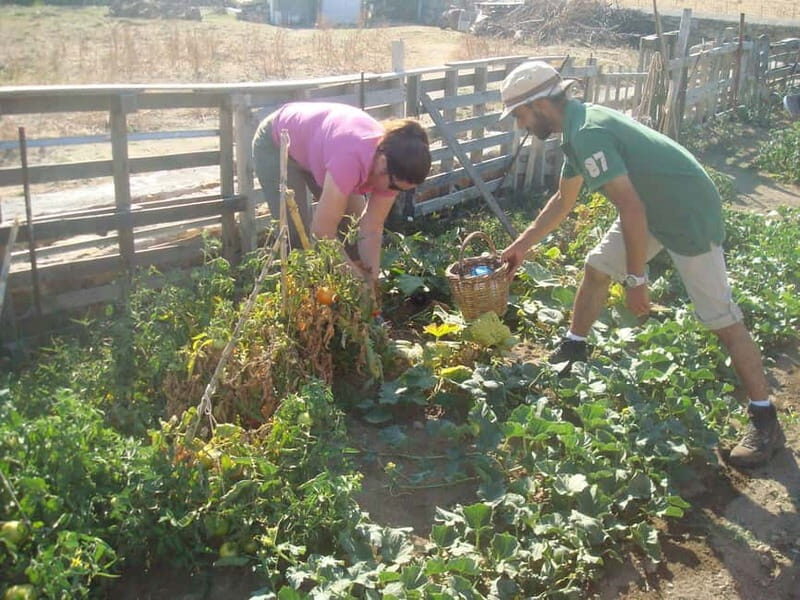
- Mr. Mohamed greets you and explains how the farm works and why Mykonos farming developed the way it did
- You can try light garden and animal-care tasks (tools and instructions included) if you want to participate
- A stone seat moment with traditional raki makes the tour feel local, not rushed
- The farmer’s snack is a clear win: bread, tomatoes, kopanisti, cucumbers, and poor man’s black olives
- You might get to cut seasonal vegetables from the garden, depending on what’s growing
Ano Mera and the Mykonos farming angle (not just photos)
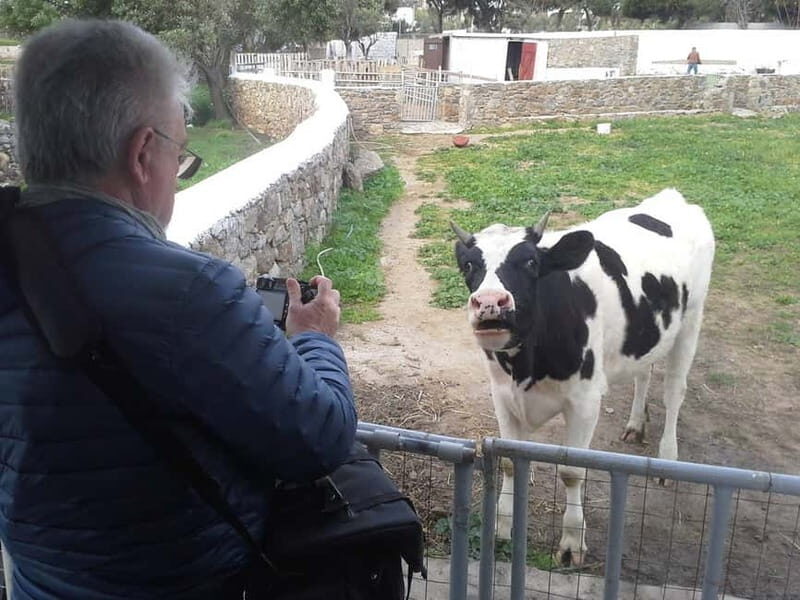
Ano Mera is one of the places on Mykonos where you can still picture daily life beyond the famous coast strip. On this tour, you’re taken inland to a working farm environment, and that changes the whole mood. Instead of wandering shops, you’re learning how island people shaped their food systems with livestock, gardens, and practical know-how.
The tour’s “why this matters” comes through in the explanations from the farm’s superintendent. You’re not only looking at animals and plants—you’re hearing how farming on Mykonos historically fit the island’s needs. That context makes even simple tasks feel meaningful, because you understand what the farm is trying to keep going.
If you’re the type who enjoys slow, real-world travel moments, you’ll likely appreciate that the day is built around work that actually gets done: weeding, feeding, trimming, cleaning. If you’re just there for Instagram-style farm scenes, you might find it more grounded than dramatic.
Other Mykonian farm experiences in Mykonos

From hotel pickup to farm gate: how the 2.5 hours flow
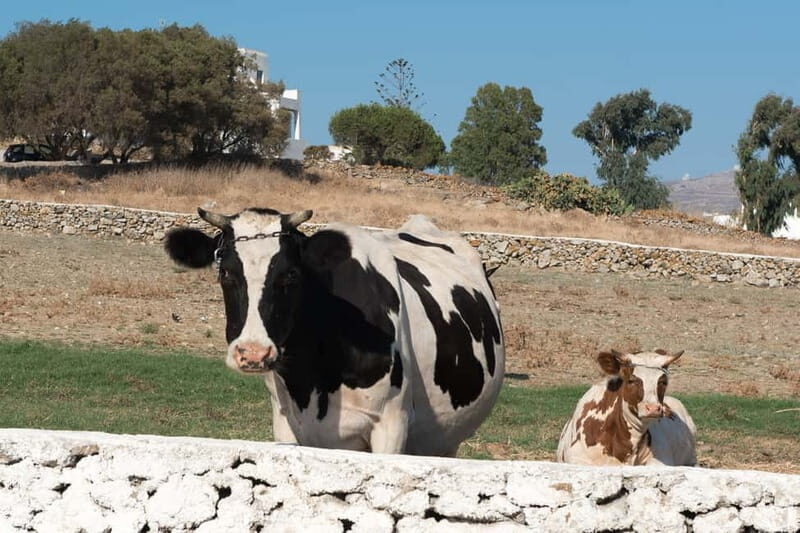
The tour is listed at 2.5 hours, which is a sweet spot for many people on Mykonos. You get transportation handled, a guide in English, and an organized farm visit without losing most of your day to logistics.
Here’s the rhythm: you’re picked up from your hotel (pickup is included for all hotels and most areas of Mykonos), then you drive across the island to Ano Mera. After that, it’s a walk of about 400 meters to the farm itself, so comfortable shoes matter. Once you arrive, you’ll be greeted by the superintendent and brought through the grounds at a pace that lets you listen, sit, and ask questions.
One practical note: the pickup schedule depends on you sending your preferred meeting point and location by 3:00pm the previous day. If you don’t, the operator will try to locate you, but they can’t guarantee it. On an island where meeting points can be confusing, that step is worth taking seriously.
Also, if you’re staying in a remote area—Elia, Kalafatis, Agrari, Panormos, Super Paradise, Paradise & Kanalia—there may be an extra 10 euro per person round trip, paid in cash to the driver. If you’re on the far side of the island, add that cost into your decision.
Meeting Mr. Mohamed: the tour tone and what you’ll learn first
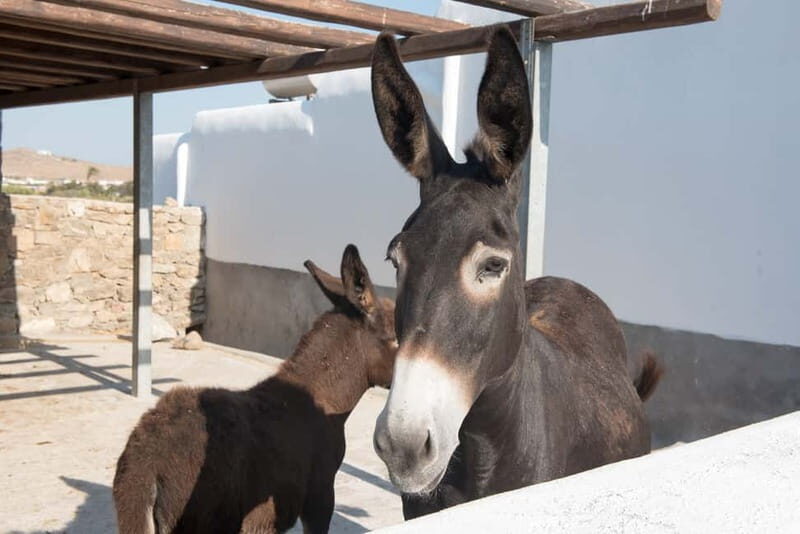
The best part of this experience is how welcoming it feels once you arrive. You’re greeted by the superintendent, Mr. Mohamed, who sets a friendly, explanatory tone right away. That matters because a farm tour can otherwise become a quick walk-by with little context.
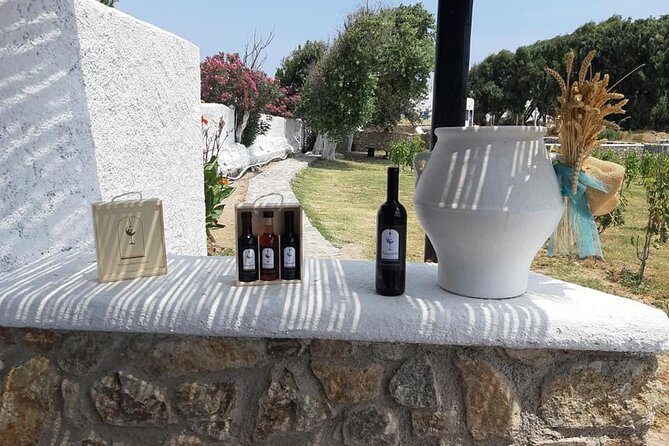
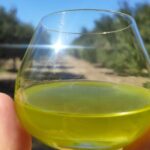
After the welcome, you’ll tour the property and hear how the farm operates—its daily rhythm and how the livestock and garden connect. Then you’ll get that classic, low-key break: you sit and relax on a traditional stone-built seat while sipping raki.
This sitting-and-listening moment is more than a cute photo stop. It’s a window into island life as it’s actually experienced: slow time, hands at rest for a minute, and a conversation that treats the farm as something rooted in local practice, not a novelty for visitors.
If you’re worried about language, the tour is in English. That doesn’t mean it will feel like a museum lecture, though. Expect it to be conversational and grounded.
Hands-on farming tasks: weeding, trimming, feeding, or just watching
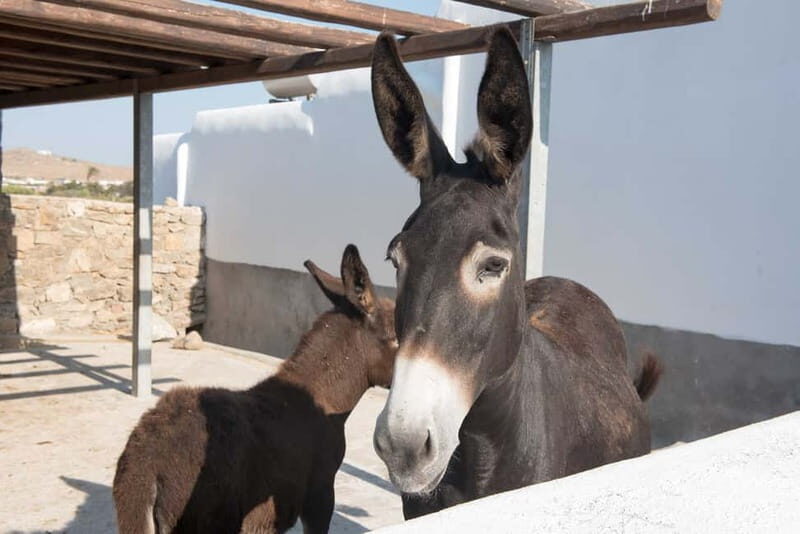
Here’s the big question you should ask yourself: do you want to do work, or do you mainly want to observe?
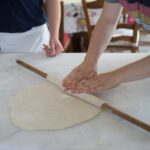
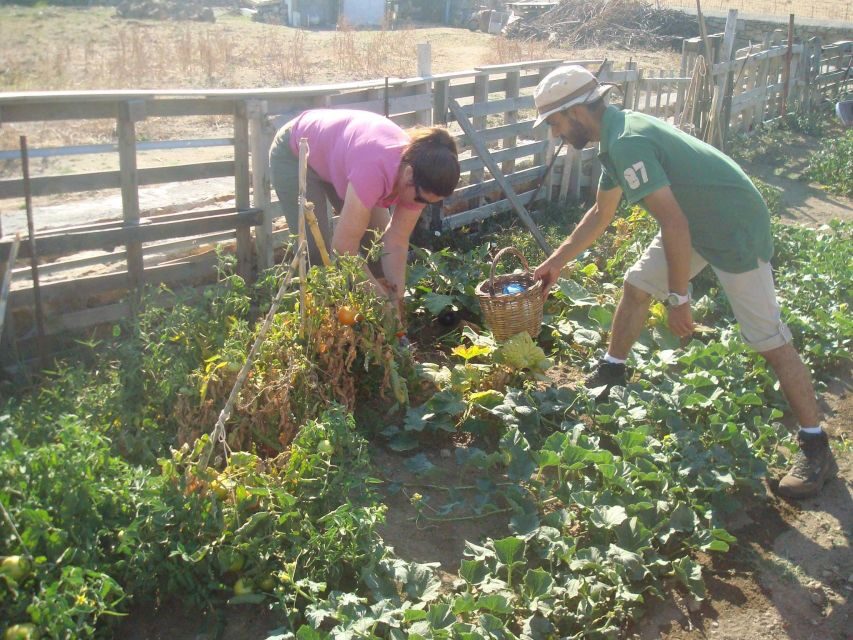
The tour offers participation options. If you want to help, Mr. Mohamed (or the staff) will provide tools and instructions as you go along. Tasks can include:
- cleaning the garden and weeding
- trimming the garden and vineyard
- cleaning, watering, or feeding animals
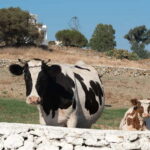
That said, the reviews hint at a real truth: it’s not always the “hands-on everything” farm fantasy people might hope for. Some visitors felt the tour was organized a bit lightly, and a few didn’t get the level of animal interaction they expected—like feeding, petting, or milking. Others did get to see cows and baby goats and felt the experience was more observation than full participation.
So what should you do? Start with a clear mindset. Think of this as a farm visit where you can take part, not as a guaranteed animal-contact workshop.
If you do want to maximize your participation, do it early in the visit. Ask at the start what tasks are available that day and whether there’s time for animal handling. Then follow directions carefully—farms move on function, not tourist pace.
If you prefer not to participate, you can opt for more free time during the tour. That’s a good option if you’re more interested in the setting and the raki-and-snack interlude than in getting your hands dirty.
The snack spread and garden produce: what tastes most “Mykonos”
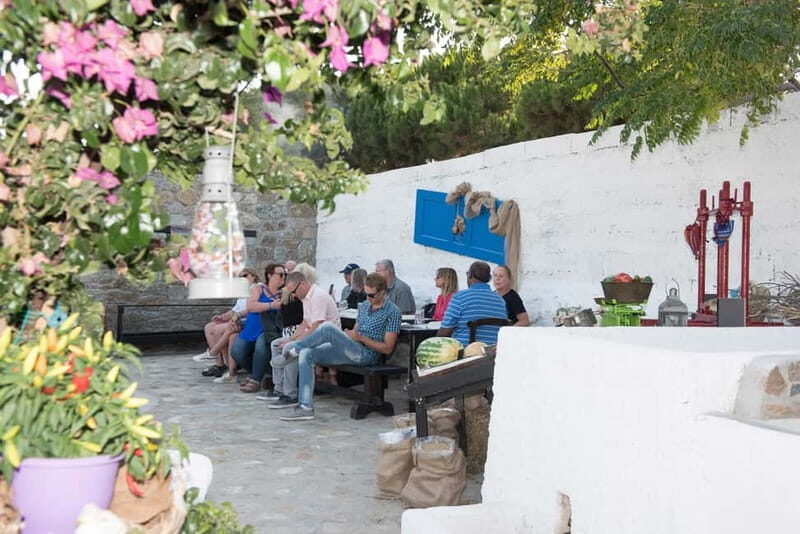
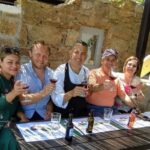
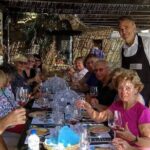
Food is one of the strongest parts of this experience. After the tour walk and the raki stop, you’ll be served a farmer’s snack that includes bread, tomatoes, kopanisti, cucumbers, and poor man’s black olives. This combination matters because it’s simple, local-feeling, and built from what a farm can produce and preserve.
In the reviews, this snack shows up as a highlight. One person pointed out that the cook was great and the snack was a standout moment. That same person also mentioned a worker from Egypt being kind and attentive—so expect a bit of warmth in how it’s served, not just “here, take food.”
At the same time, one visitor noted that the bread was a little stale, and another called the overall food simple. So I’d treat this as a taste experience, not a full meal.
There’s also a seasonal component: you might be able to cut products from the vegetable garden, depending on what’s available. That part can feel extra satisfying because you’re not only eating farm food—you’re interacting with where it comes from. If you go in expecting a farm-to-table feast, you may be disappointed. If you go in expecting a small, honest snack in a real farm setting, it lands better.
Pro tip for taste: pace yourself. Raki plus garden walking can make you feel warmer and slower, so taking a moment to sit after the snack is a nice reset.
A few more Mykonos tours and experiences worth a look

What the farm time feels like (and what not to expect)
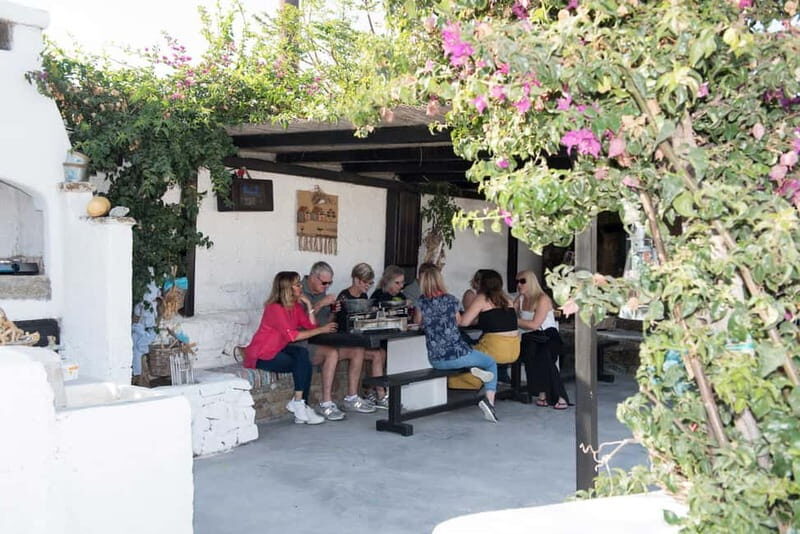
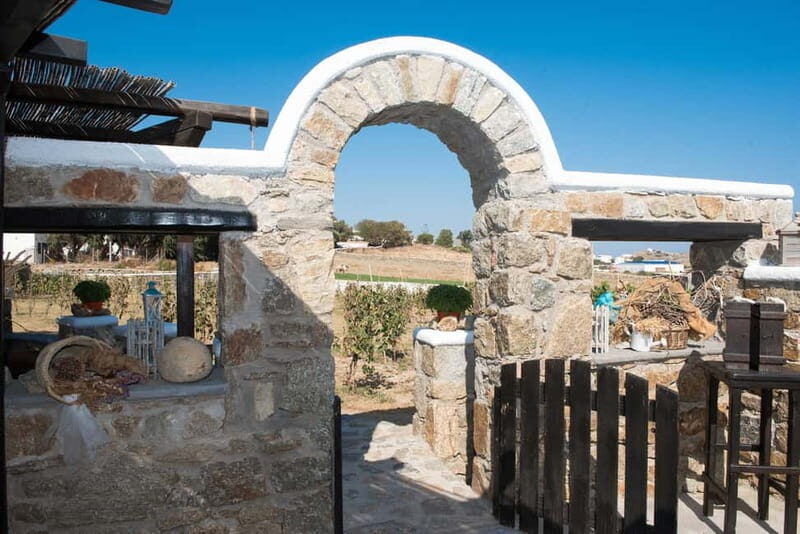
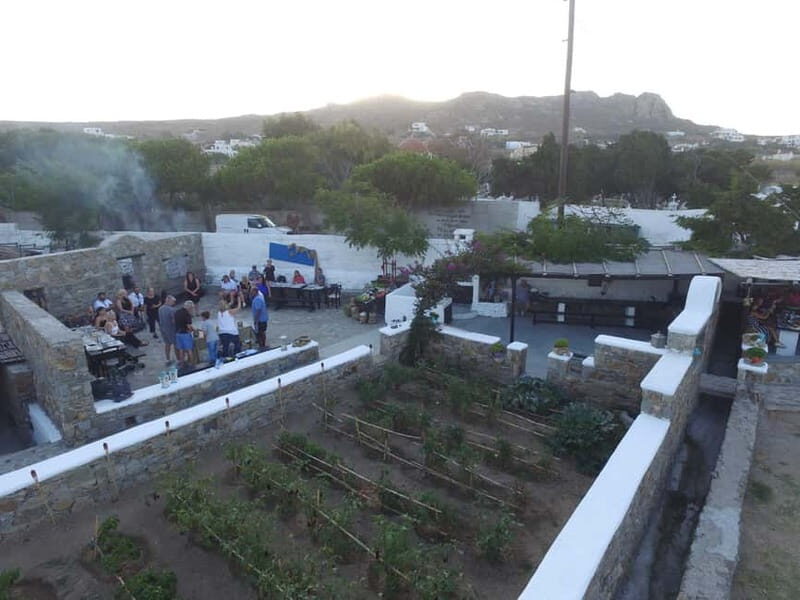
One theme in the reviews is that the farm is genuinely attractive—beautiful grounds, a calm pace, and a sense of authenticity. That authenticity often comes from the fact that you’re on a working property with staff who treat visitors as interruptions to daily life, not as performers.
What may not match your expectations: some visitors felt they didn’t get as much animal interaction as described. If you imagined long stretches of petting goats, feeding cows, or doing heavier “real farm” chores, you may not get that.
Why that happens? The tour is designed around multiple possible tasks, and those tasks can be limited by what’s happening on the farm at the time. Animals need regular care, and gardens don’t pause for group schedules. So the best approach is to treat the tour as flexible: do what’s offered, enjoy the raki-and-snack break, and take the animal time as a bonus rather than the entire point.
If you’re lucky, you’ll get a fuller experience. If you’re not, you’ll still come away with a better sense of how Mykonos people farm and eat—especially if you’re the type who remembers details.
Price and value: is $51 a fair deal for this Mykonos farm stop?
At about $51 per person, this tour needs to deliver on a few value points to feel worth it. The package includes:
- hotel pickup and drop-off
- farm entrance fees
- farm tour (guided in English)
- snacks plus raki
That combination can be a strong value on Mykonos, where taxis and private arrangements can get expensive fast. You’re also paying for a guided explanation and the chance to participate in tasks rather than just paying to walk around.
So who gets the best value? You’ll feel good about the price if you want:
- an organized short visit (2.5 hours)
- local food and drink in a farm setting
- a realistic look at farming on the island
If you only care about hands-on animal work, the value might feel weaker—especially since some people didn’t get the level of animal participation they expected. The upside is that you’re not paying for a long commitment. You’ll know fairly quickly whether the farm time is meeting your style.
Who should book (and who should look elsewhere)
This tour is a great fit if you like travel that feels practical and lived-in. I’d point you here if you enjoy:
- learning how people actually make and grow food
- farm animals in a calm setting
- short guided experiences that don’t steal your whole day
It’s also ideal for people staying in central Mykonos who can reach Ano Mera without extra transfer costs. The pickup coverage is broad, and the timeline stays tidy.
You might want to skip or choose something more animal-focused if your priority is hands-on animal interaction like milking or extended feeding/petting time. Because tasks can vary, this is better framed as a farm tour with optional participation—not a guarantee of heavy animal handling.
Families and less-mobile travelers can still consider it, but remember there’s a 400-meter walk after you arrive at Ano Mera. Wear shoes you’re comfortable walking in.
Tips to make this farm tour work better for you
A few small choices can change your experience:
- Go in with flexible expectations for animal tasks. Ask what’s possible early, then follow through if there’s a window to help.
- Wear comfortable shoes for the walk from the drop-off point and for farm ground that may be uneven.
- Treat the raki stop as a real pause. Take a minute, sip slowly, and listen to the explanations—this is where the local flavor shows up.
- If you care about doing chores, show interest when tools are offered. Participation is optional, so your decision right at the start matters.
- Bring water. The day is short, but farming terrain plus raki and walking can add up.
One more mindset shift: you’re not buying a “farm attraction.” You’re visiting a working property. That’s why the best moments are calm and human, like sitting on the stone seat with raki while someone explains how the farm functions.
Should you book the Ano Mera Farm Tour?
Book it if you want a short, well-priced slice of Mykonos that goes beyond beaches and shopping. The combination of raki, local snacks, a guided farm walk, and optional tasks makes it a sensible choice, especially if you’re staying where pickup is convenient.
Skip it if your top goal is lots of hands-on animal contact on a tight schedule. This can be more of a farm visit with observation plus light participation, and that mismatch is exactly where some visitors felt disappointed.
If you’re hoping for authenticity over theatrics, and you’re happy to learn as much as you help, you’ll probably leave satisfied—full of snacks, with a better sense of how farming fits into island life.
FAQ
How long is the Ano Mera Farm Tour?
The tour lasts about 2.5 hours (starting times vary by availability).
Is hotel pickup and drop-off included?
Yes. Transfers are included from/to all hotels and most areas of Mykonos. Remote areas may have an extra charge of 10 euro per person round trip, payable in cash.
What do you do during the farm visit?
You tour the farm grounds, learn about how the farm operates and Mykonian farming traditions, and you may take part in tasks like weeding, trimming, cleaning, watering, or feeding animals.
Are snacks and raki included?
Yes. You’ll have a farmer’s snack (bread, tomatoes, kopanisti, cucumbers, and poor man’s black olives) and sip traditional raki.
Is there a guide and what language do they speak?
Yes. The tour includes a live guide who speaks English.
Where is the tour located?
You travel from your hotel to Ano Mera, then walk about 400 meters to the farm.
What is the cancellation policy?
You can cancel up to 24 hours in advance for a full refund.