REVIEW · MYKONOS
Organic Wood-fire Cooking Class
Book on Viator →Operated by Naxian Experiences · Bookable on Viator
Fire and flavor. That’s the whole point here. In this organic wood-fire cooking class, I love how the meal starts as ingredients on a family farm and ends as dinner cooked over real heat, not a demo kitchen. You’re taught by Mrs. Juliana in a setting that feels like home cooking passed down, with air-conditioned pickup and the kind of hands-on pace that keeps you involved.
What I like most is the farm-to-table setup and the ingredient quality. You’ll be working with hand-picked, seasonal local produce, and the food you taste is tied directly to what’s growing and ready. I also appreciate that the class includes alcoholic beverages, plus private transportation, so you’re not juggling logistics while trying to learn.
One thing to consider: this experience requires good weather, and it’s built around outdoor, wood-fired cooking. If the conditions aren’t right, your plan may shift or be refunded, so I’d plan it with a little flexibility.
In This Review
- Key Highlights You’ll Really Feel
- A Wood-Fired Farm Meal, Not a Tourist Cooking Show
- Meet Mrs. Juliana and Learn the Recipes the Right Way
- The Menu: Starters, Mains, and That Dessert Surprise
- Wood-Fire Cooking Changes Everything (Including Taste)
- Farm Transfers: Pickup Areas That Make the Day Easier
- Price and Value: What You’re Actually Paying For
- What Makes It Intimate: Private Group Cooking
- Weather, Outdoor Cooking, and Comfort Tips
- Who This Class Is Best For
- Should You Book This Organic Wood-Fire Class?
- FAQ
- What is the duration of the cooking class?
- Where does pickup service start?
- Is transportation included?
- Is the tour private?
- What language is the class in?
- What food will we eat?
- Are alcoholic beverages included?
- How much does it cost?
- What happens if the weather is bad?
- Is there free cancellation?
Key Highlights You’ll Really Feel
- Mrs. Juliana leads the cooking at a family-run farm, with guidance that keeps it practical
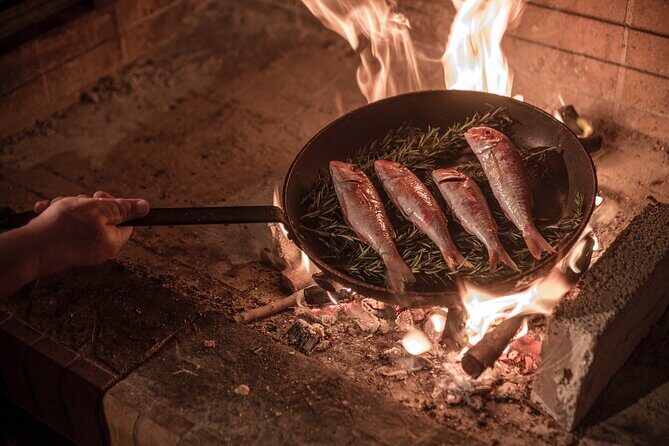
- Wood-fire cooking throughout means dishes are made with real heat and real timing
- Seasonal local produce drives the menu, so what you cook feels of the moment
- Alcoholic beverages are included, and the meal is designed to be shared
- Air-conditioned transfers make the trip to the farm easier than it sounds
- Private group format means it’s just your group, not a crowded cattle-call
A Wood-Fired Farm Meal, Not a Tourist Cooking Show
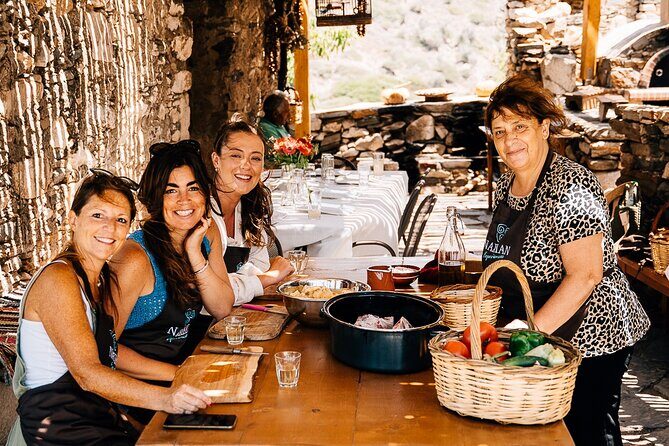
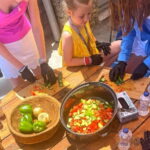
This isn’t the kind of class where you watch someone else cook while you hold a spoon and smile. It’s active from the first steps at the farm. You’ll learn traditional Greek recipes in a family setting, with dishes built around what’s seasonal and what can be cooked well over wood-fire.
The atmosphere matters here. You’ll be eating outdoors at a working farm—no pretending it’s all staged. One thing that came up strongly in the experience details is the idea of cooking with wood-fire in a more old-school way, and that shows up in the food and the rhythm of the class. When the heat source is literally the oven, you feel how cooking changes when you’re not relying on electricity.
The other big win is that you’re not just tasting Greek food—you’re participating in it. I like that because it turns the meal into a story you can tell later: what you cooked, how it came together, and how the flavors worked together.
Other cooking classes in Mykonos
Meet Mrs. Juliana and Learn the Recipes the Right Way
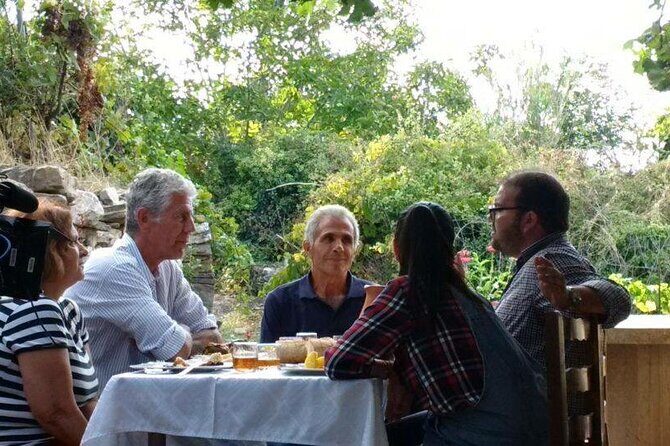
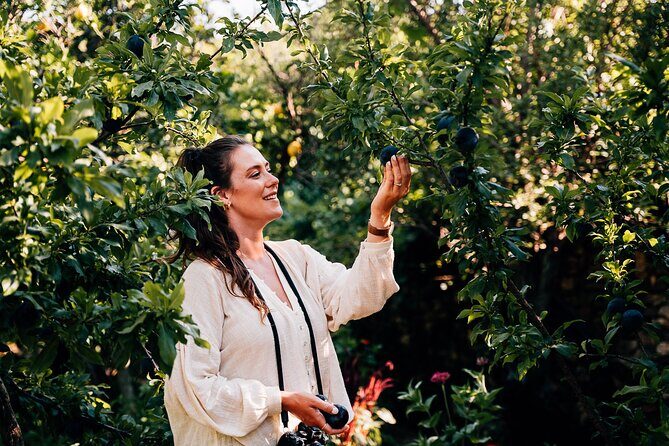
Mrs. Juliana is the cook and teacher at the heart of the class. She guides you through traditional Greek recipes using seasonal, hand-picked ingredients from the farm. That sounds simple, but it’s actually a key difference from many cooking classes: the instruction is grounded in real farm produce and real cooking constraints.
You’ll also have support on the language side. Lazaros is listed as an assistant/translator in the experience details, and in practice that kind of help is what makes the class feel smooth. If you want to ask about why a dish is made a certain way—texture, timing, seasoning style—you’ll be able to do it without feeling lost.
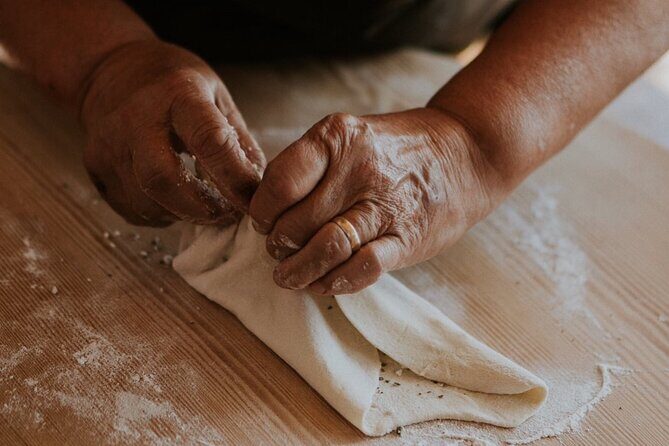
And yes, you should expect it to be “work,” in the friendly way. The farm setup and wood-fired cooking mean there’s a lot going on. You’ll probably find yourself helping with more than one part of the process—prep, shaping, assembling, and learning how dishes behave over open heat.
The Menu: Starters, Mains, and That Dessert Surprise
The class serves a meal built around a few flexible menu options. That matters because it means your cooking experience will likely match what’s freshest at the farm, rather than being locked to one exact dish no matter the day.
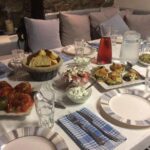
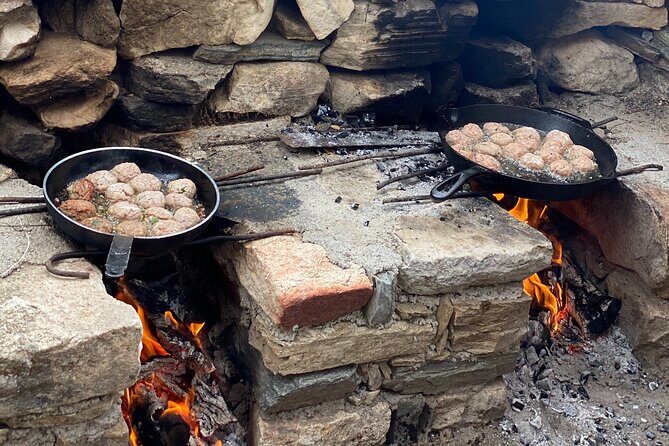
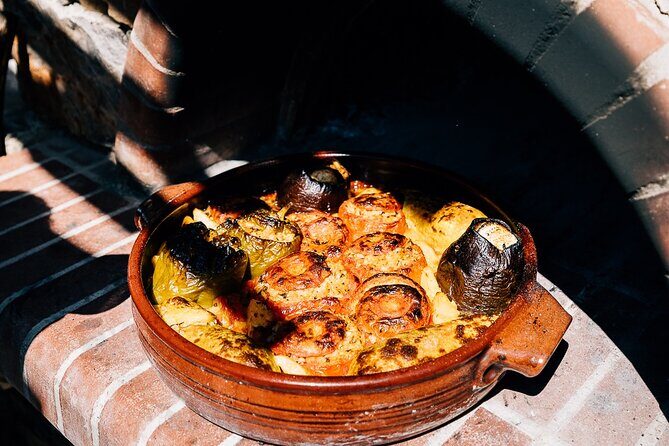
You can get starters like saganaki or flatbread with feta cheese, or meatballs. Other starter options include smoked eggplant mousse or zucchini croquettes. For mains, expect stuffed vegetables or green beans, plus options such as slow-cooked lamb with potatoes, or chicken or fish.
Dessert is listed as surprise, which is exactly what it should be in a place like this. I find that surprises work best when they’re coming out of a home-style cooking system, not a canned production. You’ll likely get something traditional and seasonal, and because you’ve been cooking all afternoon, you’ll appreciate it more than if dessert shows up out of nowhere.
Big practical tip: if you’re choosing what to focus on while you cook, don’t overthink it. Pick one dish you’re most curious about and ask questions around that one. The class moves, so you’ll get more out of it by going deeper on a few techniques rather than trying to remember everything at once.
Wood-Fire Cooking Changes Everything (Including Taste)
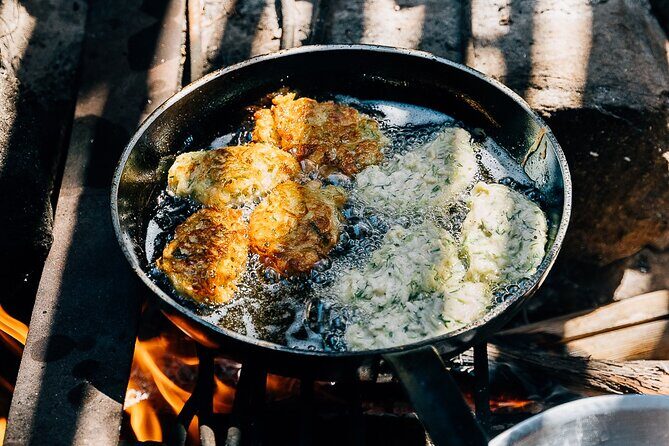
Wood-fire cooking isn’t just a theme. It affects everything: flavor, pace, and even how you build confidence in the kitchen.
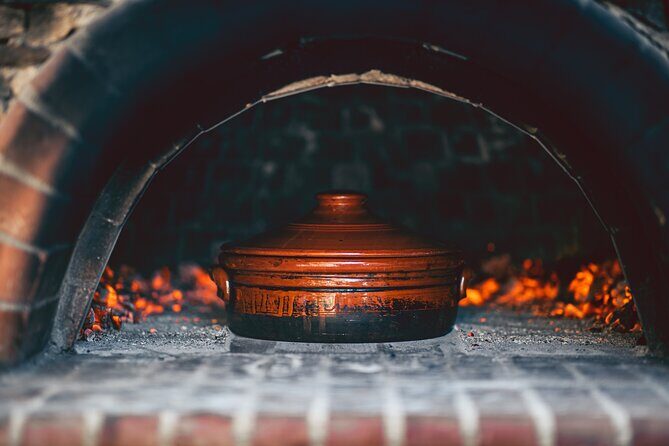
In this class, you’re cooking with a wood-fire oven and dishes are prepared with that heat in mind. One review detail that stands out is that the cooking is done without electricity where possible—meaning the process is more hands-on and grounded in the fire itself. That’s why you’ll feel the difference in how food tastes and why timing matters.
Here’s what you’ll notice as you cook:
- Heat comes in waves. You learn to work with it, not against it.
- Some ingredients do better with direct heat, while others need time to soften and absorb flavor.
- “Traditional” doesn’t mean slow and vague. It often means exact: fold this, arrange that, watch the color, trust the texture.
I like that because it makes the class useful even after you get home. You may not have a wood-fired oven in your apartment, but you can still carry the method: what to look for, when to adjust, how Greek dishes balance richness with acidity and herbs.
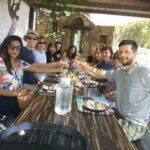
Also, you’ll be eating together. The meal is built for sharing, and with included alcohol, it tends to turn into a relaxed social dinner—more farm table than classroom.
Farm Transfers: Pickup Areas That Make the Day Easier
The experience includes private transportation, and the transfers are described as air-conditioned. That’s a big deal on Mykonos, where travel between spots can be time-consuming if you’re hauling bags and trying to coordinate rides.
Pickup is included for specific areas:
Chora/Aggidia, Stelida/Agios Prokopios, Agia Anna, Plaka, Orkos, Glinado, Galanado.
If you’re staying somewhere outside those zones, transportation can still be arranged for an additional cost. So before you book, check your lodging location against that list. You don’t want to spend the day thinking about logistics when you could be learning how to cook.
Timing-wise, the duration is listed at about 4 hours. That’s long enough to cook multiple dishes and eat well, but not so long that it hijacks your entire day. If you plan this as your main food activity, it can anchor the day nicely—especially if you want something more real than another scenic stop.
A few more Mykonos tours and experiences worth a look


Price and Value: What You’re Actually Paying For
At $395.43 per person, this class isn’t cheap. But you’re not just buying a cooking lesson. You’re paying for a full, working-farm experience with multiple dishes, ingredient prep, wood-fired cooking, and a proper meal.
Here’s the value breakdown in plain terms:
- You get transportation included (private transfers).
- Alcoholic beverages are included with the meal.
- All fees and taxes are included, so you’re not hit with surprise add-ons later.
- The setting is a family-run farm with a private group format—so it’s not a mass class where everyone gets rushed.
For me, the best justification is the authenticity and the meal format. If you’ve ever done a cooking class where you taste two bites and then leave, this one hits differently because you cook and eat what you make. The farm sourcing also matters. Hand-picked seasonal produce changes the feel of the meal, and it’s part of why the experience lands as truly “farm to table.”
Who gets the best value? Food lovers, couples, and small groups who want something hands-on and intimate. If you mainly want a quick taste of Greek cuisine, there are cheaper ways to eat well. But if you want to learn and eat in one coherent experience, this price starts to make sense.
What Makes It Intimate: Private Group Cooking
This is a private tour/activity, meaning only your group participates. That affects your experience more than people realize.
When it’s private:
- You can ask more questions without waiting your turn.
- The pace is easier to handle, especially when wood-fire cooking requires attention.
- The conversation tends to flow around the food rather than around managing a big crowd.
Lazaros as translator/support and the farm team you’ll work with help the class feel staffed and organized. One review detail mentions a guide/driver/helper-chef named Niko (sp). Having that kind of layered support usually makes the difference between a class that’s “fun but chaotic” and one that feels competent and calm.
If you enjoy learning in a quieter setting—where you’re not squeezed into a kitchen line—this private format is a real plus.
Weather, Outdoor Cooking, and Comfort Tips
Because it requires good weather, you should treat this like a plan with outdoor elements. If rain or poor weather hits, the experience may be canceled and you’ll be offered a different date or a full refund.
You’ll also be cooking and moving in a farm environment. That likely means uneven ground, outdoor air, and time spent outside before and after cooking. You don’t need to overpack, but I’d bring practical basics:
- Comfortable shoes you don’t mind getting a little farm-dusty
- A light layer in case evenings cool down
- Water, especially if you’re prone to getting thirsty during active cooking
And remember: the cooking is wood-fired. That’s part of the charm, but it also means heat control is different from a modern oven. Don’t expect a neat, clinical kitchen feel. Expect real cooking.
Who This Class Is Best For
This is tailor-made for a few types of travelers:
- Food lovers who want traditional Greek cooking methods, not just a meal
- Couples and small groups who like intimate, personal experiences
- People who enjoy learning techniques they can repeat later
- Anyone who wants an authentic farm-to-table meal without a long hike or complicated itinerary
It may be less satisfying if you want something super structured and quiet—because wood-fire cooking, outdoor cooking, and shared meals naturally create a lively flow. Also, if you can’t handle outdoor conditions, plan around the weather requirement.
Should You Book This Organic Wood-Fire Class?
Book it if you want a meal that’s connected to how it’s made. The combination of Mrs. Juliana’s instruction, wood-fire cooking, seasonal farm produce, and included wine turns it into more than a “nice activity.” It becomes a memorable food experience you’ll talk about long after you’re back in your hotel showering off farm reality.
I’d also book it if your trip is already packed with classic Mykonos highlights and you’re craving a different side of Greek life—family farm cooking, shared table energy, and real technique. The price is steep, but you get what you’re paying for: transportation, multiple dishes, alcohol included, and a private setting.
If you’re on a tight budget, or you hate outdoor plans with weather risk, you might consider a simpler meal experience. But for the right traveler—someone who cares about food more than checklists—this class is an easy yes.
FAQ
What is the duration of the cooking class?
It runs for about 4 hours.
Where does pickup service start?
Pickup is included for Chora/Aggidia, Stelida/Agios Prokopios, Agia Anna, Plaka, Orkos, Glinado, and Galanado.
Is transportation included?
Yes. The experience includes private transportation to and from the farm within the listed pickup areas.
Is the tour private?
Yes. It’s a private tour/activity, and only your group will participate.
What language is the class in?
The class is offered in English.
What food will we eat?
You’ll sample traditional Greek dishes, with options that can include starters such as saganaki or flatbread with feta, or smoked eggplant mousse or zucchini croquettes; mains such as stuffed vegetables, green beans, slow-cooked lamb with potatoes, chicken, or fish; and a surprise dessert.
Are alcoholic beverages included?
Yes. Alcoholic beverages are included.
How much does it cost?
The price is $395.43 per person.
What happens if the weather is bad?
The experience requires good weather. If it’s canceled due to poor weather, you’ll be offered a different date or a full refund.
Is there free cancellation?
Yes. You can cancel for a full refund up to 24 hours in advance of the experience’s start time.