REVIEW · MYKONOS
Souvlaki Cooking Class in Mykonos
Book on Viator →Operated by Mykonian Farm · Bookable on Viator
A farm dinner can start with a grill and end with song. In a Mykonos souvlaki cooking class at Mykonian Farm, you’ll learn how to marinate, skewer, grill, and wrap everything in warm pita, plus get a tzatziki cooking demo. I especially liked Mike’s friendly, patient teaching style and the hands-on way you build your own souvlaki instead of just watching.
You’ll also enjoy the atmosphere: goats and sheep get involved, and the group energy stays upbeat without feeling forced. One thing to consider: beer isn’t included, and you may only find out at the end of the meal.
In This Review
- Quick Take: Why This Class Works
- Souvlaki Cooking Class in Mykonos: Mykonian Farm at 5pm
- Getting There: Pickup, Ports, and the Remote-Area Fee
- What Happens at the Farm: Welcome, Animals, Then Cooking
- Marinating and Skewering: Where Flavor Starts
- Veg Prep and the Tzatziki Demo You’ll Actually Use
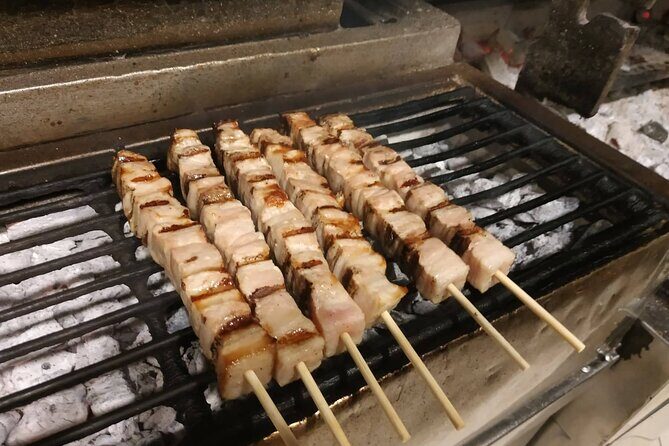
- The Grill Moment: Cooking Your Own Souvlaki
- Assembling Your Pita: Greek Salad Starter, Dinner Souvlaki
- Mike’s Teaching Style: Patient, Funny, and Very Practical
- Group Size and Vibe: A Small Class That Stays Social
- Price and Value: Is $108.37 Worth It?
- Weather and Timing: One Reason Flexibility Helps
- Who Should Book This Mykonos Souvlaki Class
- Should You Book? My Practical Recommendation
- FAQ
- FAQ
- How long is the souvlaki cooking class?
- What time does it start in Mykonos?
- Is pickup and drop-off included?
- Are there extra transfer fees?
- Is the class offered in English?
- What food is included in the experience?
- Does the class include tzatziki?
- How big is the group?
- What happens if the weather is poor?
Quick Take: Why This Class Works
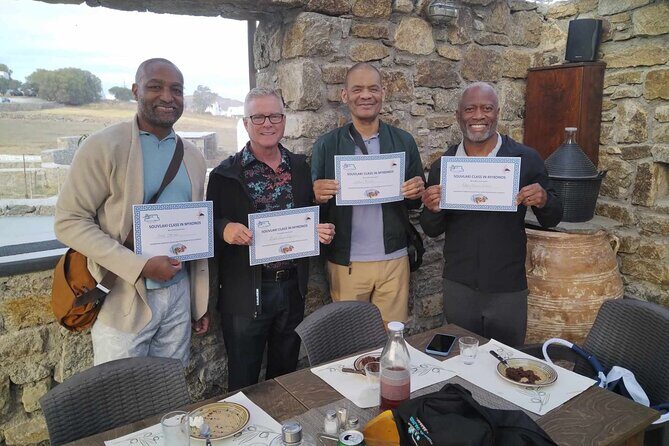
- Hands-on souvlaki steps: marinating, skewering, grilling, and pita wrapping, all taught in a simple flow
- Tzatziki demo: you see how the sauce gets made, then you learn how it fits into the full sandwich
- Farm time with animals: you can feed goats and sheep with bread before cooking really gets going
- Mike-led fun: relaxed instruction, jokes, and real attention when you’re grilling and assembling
- Pickup that saves hassle: hotel or port pickup and drop-off, with a small extra fee only for certain remote areas
Souvlaki Cooking Class in Mykonos: Mykonian Farm at 5pm
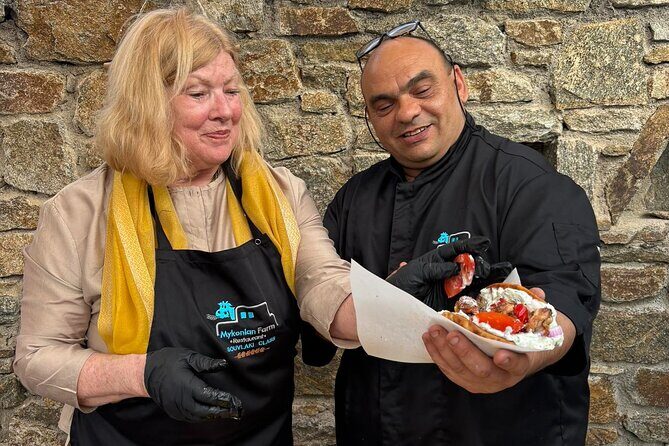
If you think you already know souvlaki, this experience helps you connect the dots. You’ll taste Greece in a familiar form, then learn the parts behind the flavor: how the meat gets prepped, how the vegetables are handled, and how tzatziki turns grilled meat into something you want to recreate later.
The timing matters too. The class starts at 5:00 pm and runs about 3 hours, which slots nicely into Mykonos evenings when the sun is dropping and you’re ready for something more than walking, shopping, and trying to find dinner at random.
This isn’t a white-tablecloth situation. It’s food-first. You’ll be active, you’ll eat what you make, and you’ll leave with a clear mental recipe you can repeat at home without guessing.
Other cooking classes in Mykonos
Getting There: Pickup, Ports, and the Remote-Area Fee
The biggest practical win is that hotel or port pickup and drop-off are included. That means you’re not wrestling with bus schedules or trying to explain where you want to go in a language mix.
Where it can get tricky is if you’re staying in the far reaches of the island. For some remote places—like Elia, Kalafatis, Agrari, Panormos, Super Paradise, Paradise & Kanalia—there may be an extra 10 euro per person round trip, paid in cash to the driver on the spot. If you’re in one of those areas (or you’re in a remote villa/apartment), it’s worth budgeting for that so it doesn’t surprise you.
You’ll also need to send your exact meeting point details before departure. If you don’t send it, the company will try to locate you, but they’re not responsible if the meet-up fails. In plain terms: message them your hotel name or the right pickup spot early, and you’ll keep the whole evening smooth.
Finally, expect a mobile ticket. It’s a small detail, but it makes check-in faster once you reach the pickup flow.
What Happens at the Farm: Welcome, Animals, Then Cooking
Mykonian Farm is the heart of the experience. Once you’re transferred there, you’ll be welcomed by the farm’s superintendent and escorted to a specially arranged area for the class. That “set area” matters because it keeps you from feeling like you’re wandering around during the most important part: learning the sequence.
Before the cooking gets serious, you’ll have a moment to slow down and enjoy the farm setting. The best part is the chance to interact with animals—bread for feeding goats and sheep is part of the experience. It adds a warm, memorable layer that makes this feel like more than another cooking workshop.
Then the lesson begins. You move from watching to doing, so your brain has a job: remember the order, notice what changes flavor, and learn what to repeat when you’re back home.
Marinating and Skewering: Where Flavor Starts
Souvlaki isn’t just grilled meat. It’s preparation. The class teaches you the early steps that most people miss when they just buy it on the street.
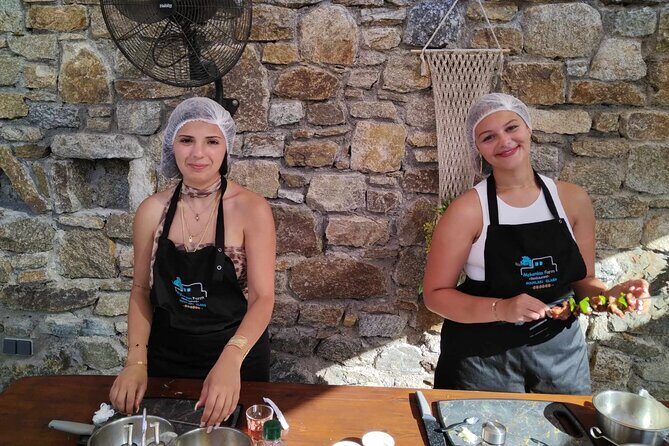
You’ll learn how ingredients are marinated and how the meat is skewered. This is the stage that makes the later grilling taste right. Even if you’ve eaten souvlaki your whole life, you’ll probably realize how much the flavor depends on what happens before heat shows up.
The key is that the class doesn’t overwhelm you with technical jargon. It gives you the practical cues you need to understand what to aim for. That’s why this works for beginners. You don’t have to be a confident kitchen person to end up with something that tastes like Greece.
Veg Prep and the Tzatziki Demo You’ll Actually Use
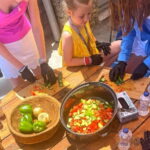
While the meat work is happening, you’ll prepare the vegetables that go into the final wrap. You’ll handle the parts that give souvlaki that fresh snap—think sliced tomatoes and onion—so the sandwich isn’t only about smoky, salty meat.
At some point, you’ll also see a tzatziki cooking demo. This matters more than it sounds. In many Greek meals, sauces don’t just decorate; they balance. Tzatziki helps cool the heat from the grill and ties everything together with a creamy, tangy rhythm.
If you’re the kind of person who loves taking souvenirs home, this is your real ticket. Once you understand how tzatziki fits with the meat and vegetables, you stop thinking of souvlaki as a random street food and start seeing it as a system.
A few more Mykonos tours and experiences worth a look



The Grill Moment: Cooking Your Own Souvlaki
Now comes the part you’ll remember when you smell charcoal at home and wonder if you can recreate it.
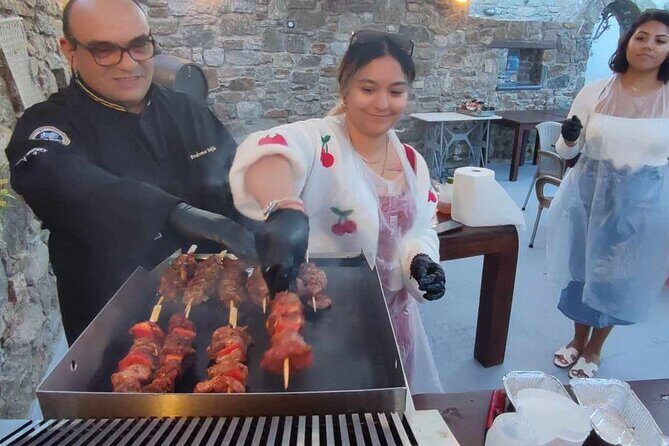
You’ll grill the meat as part of the experience, rather than leaving that to someone else. That means you learn what “done” looks like in real time, not just from a recipe card. You’ll also understand how grilling timing affects texture—the moment the outside gets properly charred while the inside stays juicy.
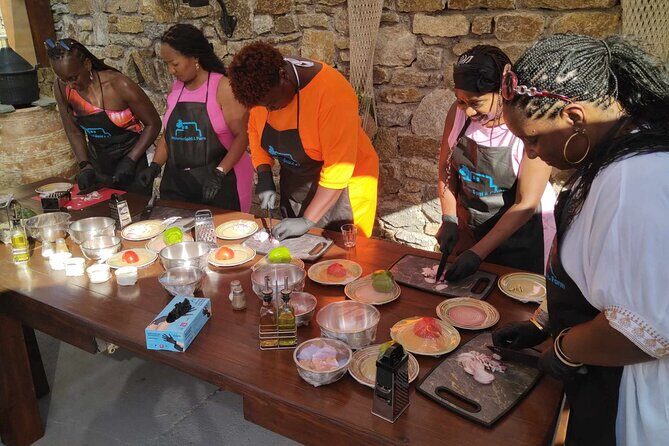
This is where the group format helps. You’ll be cooking alongside others, so you learn by watching small variations without feeling like you’re alone at a station.
And yes, the energy is light. In the middle of instruction, Mike keeps things friendly and moving, and the atmosphere stays relaxed enough that you don’t feel rushed even if you’re taking your time.
Assembling Your Pita: Greek Salad Starter, Dinner Souvlaki
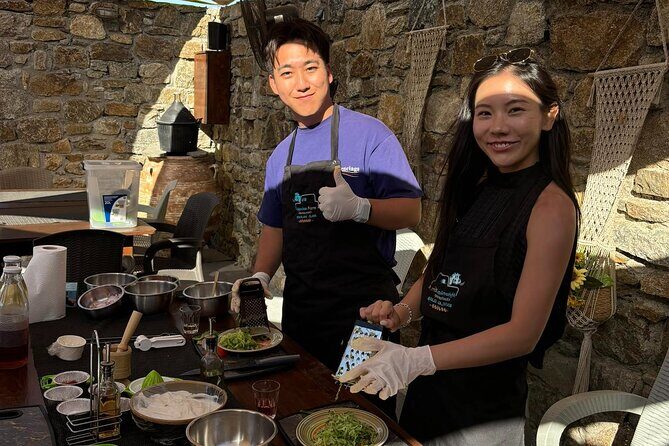
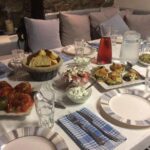
You’ll eat a Greek salad as part of the experience. It’s a simple starter, but it works because it sets expectations. It’s fresh, bright, and ready for the richer flavors to come.
Then you move to dinner: souvlaki with pita bread. The class ends with you wrapping everything together—meat, vegetables, and the tzatziki—so you take ownership of the final result.
That assembly step is more important than people think. It teaches you how Greeks actually eat it: the wrap format is practical, portable, and built for flavor balance. You’ll leave with a mental picture of how much sauce to use, how to load the pita, and how to keep the wrap from going soggy.
If your goal is to make Greek street food at home, this is the part you’ll thank yourself for later.
Mike’s Teaching Style: Patient, Funny, and Very Practical

A good cooking class makes you feel safe enough to try. Mike seems to understand that instinctively.
I like that he’s both warm and direct. He’ll guide you through what to do next and he won’t make you feel silly for asking questions or needing a slower pace. In past groups, he’s also used humor to keep things light—joking that his English isn’t so good but his food is very good—so the room stays friendly.
That matters because souvlaki is one of those foods where small mistakes can happen. Over-marinate, under-char, or pile on too much sauce and it stops tasting right. With Mike’s approach, you get enough structure to fix common issues without turning the whole evening into a lecture.
Group Size and Vibe: A Small Class That Stays Social
The group max is 40 people, which is big enough that you’ll meet others, but small enough that you’re not lost in a crowd.
You’ll also notice the social side of it in a good way. Some groups end up with music and dancing energy. It’s not a nightclub, but it’s not stiff either. If you want food learning with a dose of fun, this hits the sweet spot.
If you’d rather have a quiet, hands-off experience, this might be a little more lively than you expect. Still, the core of the class remains cooking and eating, not just hanging out.
Price and Value: Is $108.37 Worth It?
At $108.37 per person, you’re paying for more than a meal. You’re paying for instruction, ingredients, and the experience format: transport to a working farm, hands-on cooking time, and dinner built from what you make.
Here’s why I think the value is strong:
- You’re doing the key steps yourself: marinating, skewering, grilling, and wrapping
- You get tzatziki instruction, plus a Greek salad starter
- The class runs about 3 hours, which gives time to actually learn, not just sample
- Pickup and drop-off are included for most areas, saving you extra planning stress
Now the honest part. If you don’t drink much and you hate surprise add-ons, you should know that beer costs extra and may be handled at the end. If you drink beer regularly at home, factor that into your budget.
Overall, this feels like good value if your goal is to leave with practical skills, not just food.
Weather and Timing: One Reason Flexibility Helps
This is a good-weather activity. If weather doesn’t cooperate, you’ll be offered a different date or a full refund. That’s normal for outdoor farm-style cooking, but it means you should avoid booking other tight plans for the evening.
The timing also helps: starting at 5:00 pm gives you a natural rhythm for Mykonos day-to-night. You finish around dinnertime, eat what you make while it’s hot, and you don’t have to hunt for a second meal afterward.
Who Should Book This Mykonos Souvlaki Class
This is a great fit if you:
- Want a hands-on cooking experience you can repeat at home
- Like learning the steps behind classic Greek street food
- Prefer small-group energy over a crowded food tour
- Would enjoy a farm atmosphere and animal interaction before dinner
It may not be your best match if you:
- Only want to watch and don’t want to cook at all
- Are sensitive to extra charges like paying for beer at the end
- Need guaranteed access in very remote pickup zones without any extra fees
Still, for most people, the combo of cooking practice + dinner + farm setting makes it a memorable evening.
Should You Book? My Practical Recommendation
I’d book this if you’re the type who eats souvlaki and thinks, next time, I want to know how they get it right. The structure is simple: prep, grill, sauce, wrap. You’ll come away with clear habits you can use at home.
Just go in with two heads-up: beer isn’t included, and remote areas can have a 10 euro per person round trip pickup fee. If you plan for those, you’ll get a fun, friendly, farm-based cooking night that feels like Mykonos—not just food.
FAQ
FAQ
How long is the souvlaki cooking class?
The experience lasts about 3 hours.
What time does it start in Mykonos?
It starts at 5:00 pm.
Is pickup and drop-off included?
Yes. Hotel or port pickup and drop-off are included, but remote areas may require an extra transfer fee.
Are there extra transfer fees?
For some remote locations there may be an extra 10 euro per person round trip, paid in cash on the spot to the driver.
Is the class offered in English?
Yes, it is offered in English.
What food is included in the experience?
Dinner includes souvlaki with pita bread, and you also get a Greek salad as a starter.
Does the class include tzatziki?
You’ll see a cooking demo of tzatziki as part of the experience.
How big is the group?
The class has a maximum size of 40 people.
What happens if the weather is poor?
The experience requires good weather. If it’s canceled due to poor weather, you’ll be offered a different date or a full refund.